
0% VAT on External Wall Insulation
0% VAT on External Wall Insulation is one of the most valuable savings available to UK homeowners and landlords right now – and it is quietly heading towards its expiry date.
At the same time, new energy performance rules are coming for landlords across England and Wales – a shift we see raised again and again at the industry events and conferences we attend. These are separate policies, but they point the same way: the best time to act is now, before deadlines, costs and installer availability become the problem.
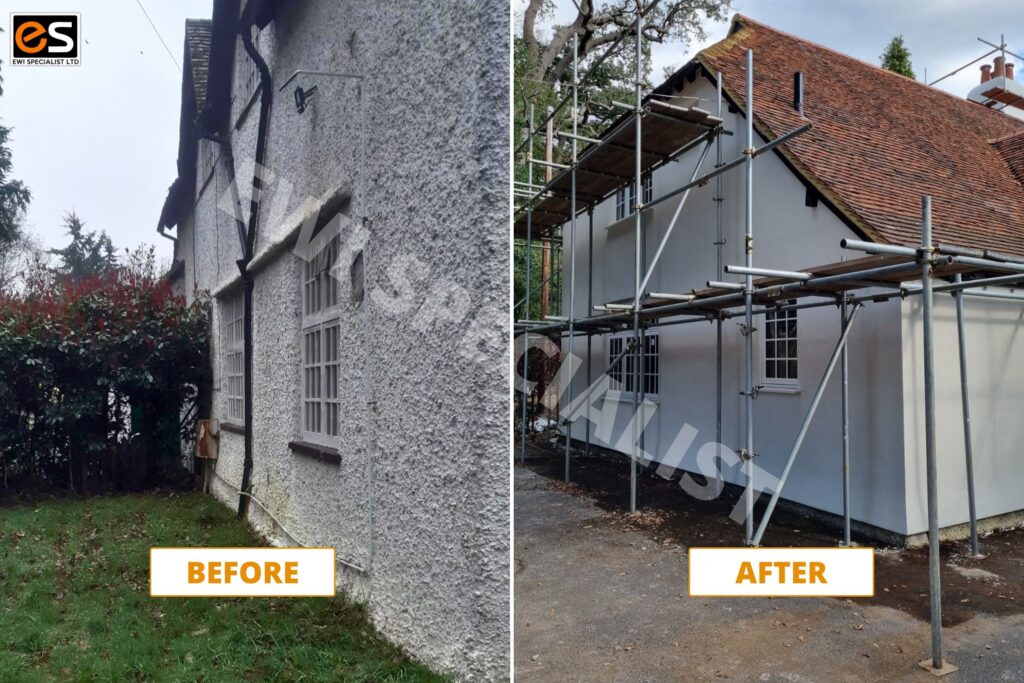
Table of Contents
- What Is 0% VAT on External Wall Insulation?
- When Does the 0% VAT Rate End?
- What Qualifies for 0% VAT – and What to Watch Out For
- EPC Rules for Landlords: Where Things Stand in 2026
- The £10,000 Cost Cap Every Landlord Needs to Know About
- Does Every Landlord Need External Wall Insulation?
- Why EWI Is the Most Impactful First Step
- Why Acting Before 2027 Makes Sense
What Is 0% VAT on External Wall Insulation?
0% VAT on External Wall Insulation is a government-backed tax relief on the installation of qualifying energy-saving materials in homes across Great Britain.
Under HMRC VAT Notice 708/6, wall insulation is a qualifying material – so when you commission a full external wall insulation system from a certified installer, both materials and labour are charged at the zero rate, not the reduced 5%. For most properties, that saving alone is a meaningful cut in the total project cost.
When Does the 0% VAT Rate End?
The 0% rate is confirmed until 31 March 2027. From 1 April 2027, unless the government extends it, these installations revert to 5% VAT.
A professional external wall insulation project – survey, thermal imaging, specification, scaffolding and installation – takes several weeks to coordinate, so to benefit from 0% VAT on External Wall Insulation you need to start planning now, not in late 2026.
What Qualifies for 0% VAT – and What to Watch Out For
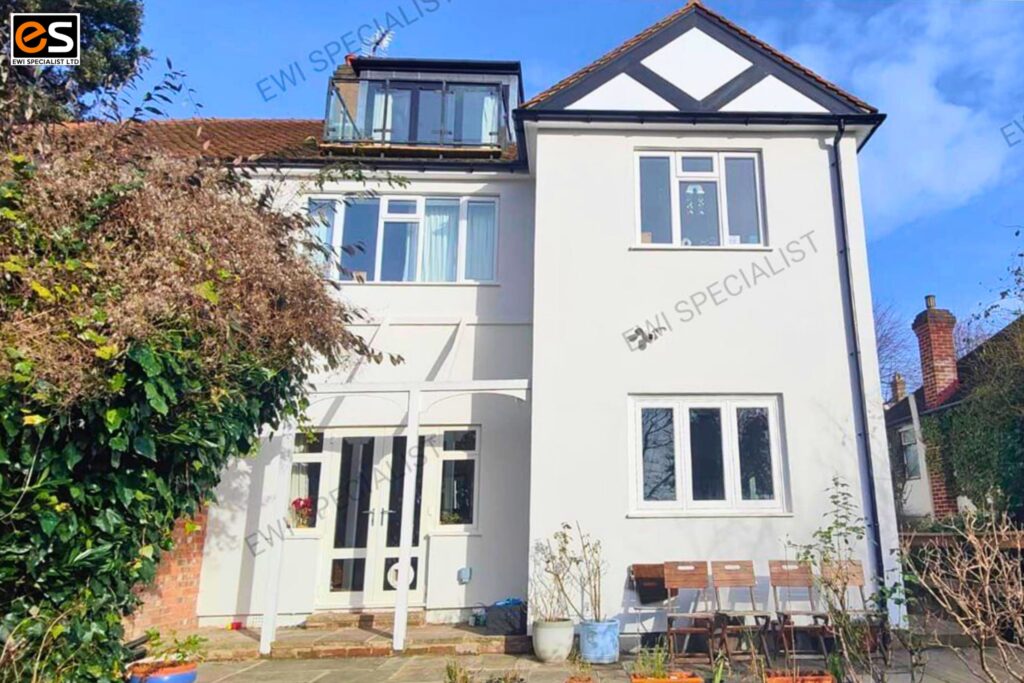
The relief applies to the installation of qualifying energy-saving materials, and external wall insulation is one of them. A full EWI system – insulation boards, adhesive, basecoat, mesh and render topcoat, installed together – normally qualifies as a single zero-rated supply, because the insulation is the principal element.
Render applied on its own as a cosmetic or weatherproofing finish, with no insulating layer, is a different matter and is not automatically zero-rated. If you are in any doubt, confirm the scope with your installer and with HMRC.
EPC Rules for Landlords: Where Things Stand in 2026
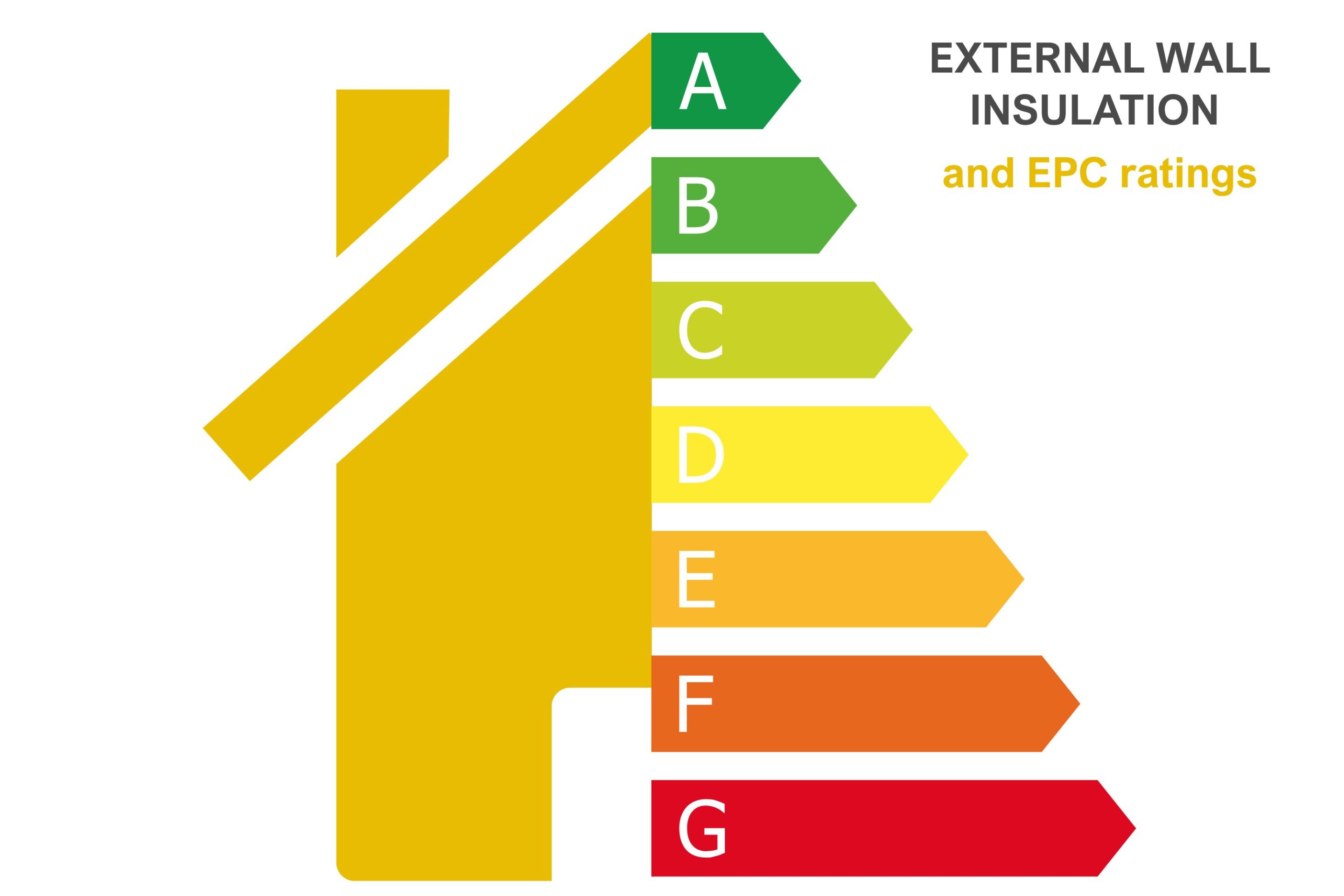
The current minimum for a private let is EPC E, and a property rated F or G should not be let without a valid exemption on the PRS Exemptions Register. Non-compliance can currently bring a penalty of up to £5,000 per property.
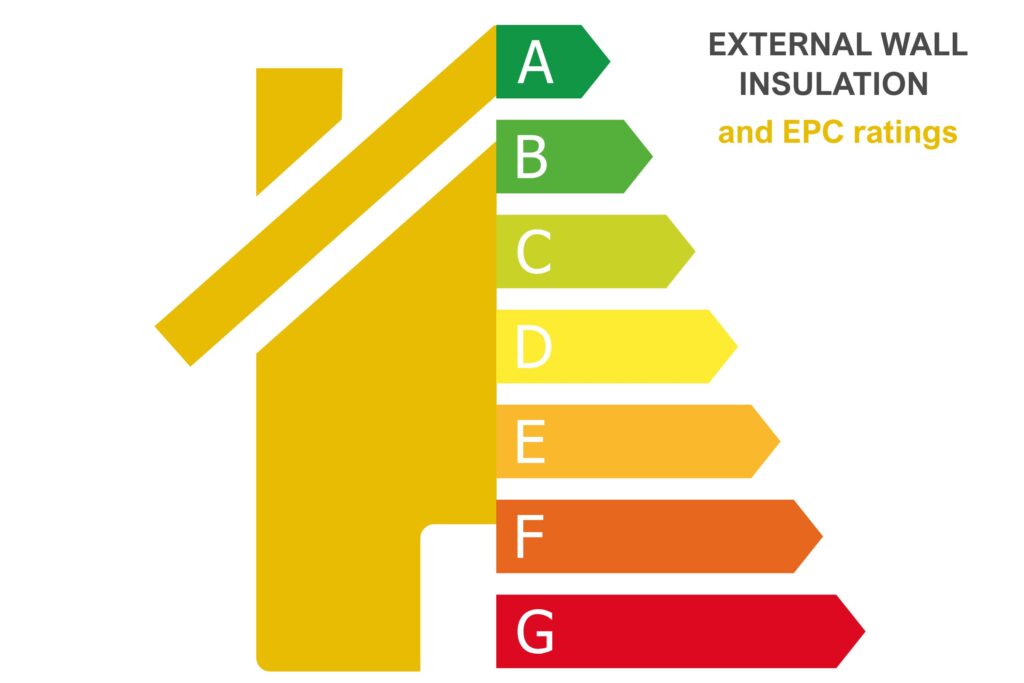
The bar is rising. On 21 January 2026 the government published its formal response to the MEES consultation, confirming – as part of its £15 billion Warm Homes Plan – that all privately rented homes in England and Wales must reach roughly EPC C by 1 October 2030. The maximum penalty also rises, from £5,000 today to £30,000 per property from that date. The standard uses two metrics: a primary fabric performance metric and a secondary smart-readiness or heating metric.
Crucially, homes that reach EPC C on the current rating before 1 October 2029 stay compliant until that certificate expires – so acting early lets you meet the target under the simpler existing system.
The £10,000 Cost Cap Every Landlord Needs to Know About
Landlords will be required to spend up to £10,000 per property on qualifying improvements. If the standard still is not met, you can register a cost cap exemption valid for 10 years – and spending from 1 October 2025 already counts towards the cap. The government’s impact assessment puts the average spend at around £5,400.
A solid wall insulation exemption (where insulating the walls is unsuitable) and an affordability exemption (10% of value for homes under £100,000) are also being introduced. None of these are a reason to wait: doing the work while 0% VAT on External Wall Insulation still applies cuts the real cost.
Does Every Landlord Need External Wall Insulation?
Not necessarily. The rules do not mandate one measure – loft insulation, a heating upgrade, solar panels, battery storage or better glazing can all help, and a solid wall exemption exists where insulating the walls is unsuitable.
But many older homes simply cannot reach EPC C without addressing the walls: roughly a third of the heat lost from an uninsulated home escapes through them, according to the Energy Saving Trust. Because the new standard’s primary metric is fabric performance, cold solid walls are exactly where the score is lost. Read the recommendations on your current EPC – if wall insulation is listed, the walls are your main barrier.
Why EWI Is the Most Impactful First Step
A well-designed EWI system wraps the building in a continuous layer of insulation, tackling heat loss at the source rather than managing it from inside. In solid-wall homes that is a structural change in how the property holds heat: warmer rooms, less condensation, lower bills and a measurably stronger EPC rating.
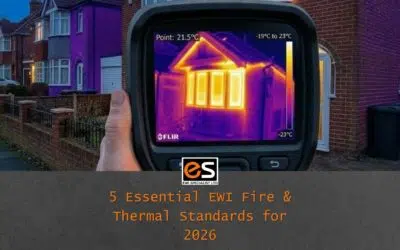
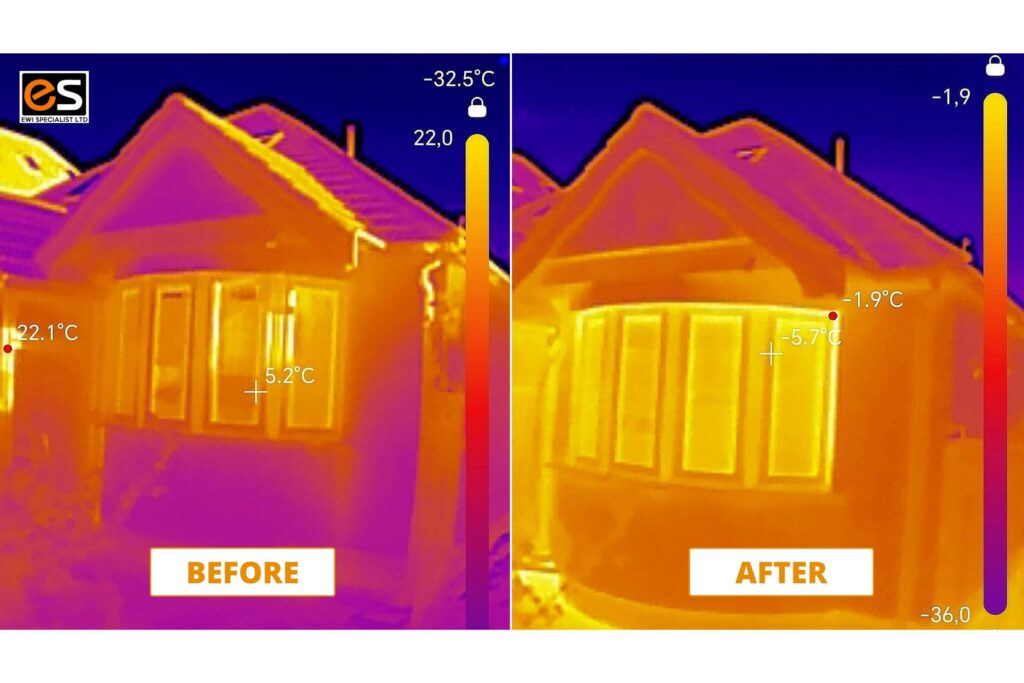
We carry out thermal imaging before and after every installation, so you can see exactly what the work has achieved. Every installation is PAS 2030-compliant, TrustMark-registered and covered by our three-tier guarantee, in line with best practice from the Insulated Render and Cladding Association (INCA).
Why Acting Before 2027 Makes Sense
Three reasons.
- First, the VAT saving is confirmed and time-limited – 0% VAT on External Wall Insulation ends on 31 March 2027, with no retrospective benefit once it goes.
- Second, reaching EPC C before 1 October 2029 locks in compliance under today’s simpler system.
- Third, demand for qualified installers, materials and scaffolding will only rise as 2030 nears, pushing lead times and prices up. In short, the 0% VAT window will not last, and rental standards are only moving one way.
Ready to Plan Ahead – Before the Window Closes?
Whether you are a homeowner improving your property while 0% VAT on External Wall Insulation still applies, or a landlord working out the most cost-effective path to 2030 compliance, the team at EWI Specialist is here to help.
With over 21 years delivering external wall insulation and rendering across London, Hertfordshire, Essex and the South East, we combine deep technical knowledge with full thermal imaging transparency – before and after every job.
- Book a Free Survey at ewispecialist.co.uk/contact – we will assess your property, carry out thermal imaging and recommend the best approach for your budget.
- Call us on 020 4542 3074 – we are happy to talk through timelines, VAT eligibility and what your property needs.
The 0% VAT window is confirmed. The 2030 deadline is confirmed. Plan ahead now – before deadlines, costs and team availability become the problem.